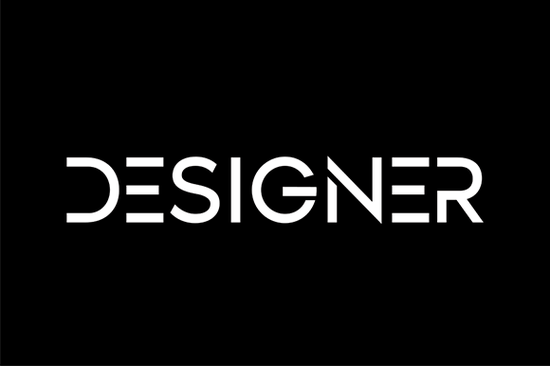
If you're looking for a display font that works just as well on a handmade greeting card as it does on a boutique shop sign, Designer Font is worth your attention. It’s not flashy or overly stylized instead, it offers clean lines, balanced spacing, and quiet confidence in every letter. Whether you’re designing a minimalist logo, a printable wall quote, or a small-batch product label, this typeface keeps things legible and intentional without demanding center stage.
What kind of projects suit Designer Font best?
Because it’s a casual yet refined display font, Designer Font fits naturally into projects where clarity and personality matter more than ornamentation. Think: café menus, wedding invitations, Instagram story overlays, craft fair banners, or even simple SVG cut files for vinyl decals. It’s especially helpful if you’ve ever struggled to find a font that feels friendly but still looks polished enough for professional use.
Unlike script fonts that can be hard to read at smaller sizes or ultra-bold display fonts that overwhelm delicate layouts Designer Font lands right in the middle. Its open counters and consistent stroke weight help it scale well across formats, from digital mockups to printed fabric transfers.
How does it compare to other popular display fonts?
It’s easy to get lost scrolling through hundreds of display fonts, especially when you’re balancing aesthetics with practicality. For example, if you like the relaxed energy of Shocking Palm Cake Font, you’ll appreciate how Designer Font offers similar warmth but with tighter spacing and less visual noise. That makes it easier to pair with body text or use in tight layouts.
For seasonal work, you might reach for something like Welcome Christmas Font during the holidays but Designer Font stays useful year-round. It doesn’t tie your design to a theme or trend, which matters if you sell POD items or manage multiple client brands.
Compared to industrial-feeling options like Steel Font, Designer Font feels lighter and more approachable yet it holds its own next to bolder companions. And while brush-style fonts like Happy Brush Font add handmade charm, they’re harder to edit or scale cleanly. Designer Font gives you flexibility without sacrificing character.
Who uses this font and why?
A lot of small business owners pick Designer Font when they need consistency across touchpoints: a website headline, social media graphics, and printed packaging all using the same voice. Crafters often choose it for SVG files because it cuts cleanly on Cricut and Silhouette machines no overlapping paths or thin strokes that cause cutting errors. Print-on-demand sellers like it for its versatility across mugs, tote bags, and art prints, especially when paired with neutral backgrounds or soft color palettes.
Designers who work with clients appreciate that it doesn’t distract from the message. You don’t have to explain “what mood” it conveys it just reads clearly and feels quietly thoughtful. That saves time in revisions and builds trust with non-designer clients.
Practical tips before downloading
- Test it at real sizes: Try it at 24pt and 72pt in your layout software not just in the preview. Some display fonts look great big but lose rhythm when scaled down.
- Check language support: Designer Font includes standard Latin characters and basic punctuation. If you need extended accents or multilingual glyphs, double-check the product page details.
- Pair it simply: Try it with a clean sans-serif (like Montserrat or Inter) for body text. Avoid pairing it with other display fonts unless you’re intentionally creating contrast.
- License check: Make sure your Creative Fabrica license covers your intended use especially if you plan to use it in client work or physical products for resale.
If you’ve already tried Shocking Palm Cake Font and liked its vibe but needed something more versatile, or if you’ve been searching for an alternative to Welcome Christmas Font that works beyond December, Designer Font is a calm, capable option worth adding to your toolkit. It also pairs well with Steel Font for layered headings, or sits comfortably alongside Happy Brush Font in mixed-media designs where one element needs structure and another needs movement.
Next step: Open your most-used design file maybe a business card template or a social media post and swap in Designer Font for the headline. See how it changes the tone without changing the effort. If it feels easier to read, easier to align, and easier to explain to a client or customer? That’s usually the sign it belongs in your regular rotation.
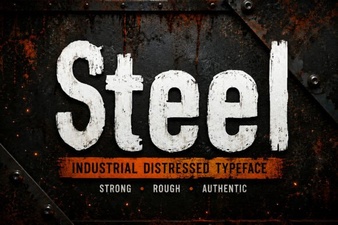 Industrial Design with Steel Type: Fonts for Bold Projects
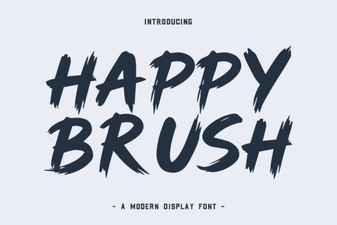 Happy Brush Font: Bring Playful Creativity to Your Projects
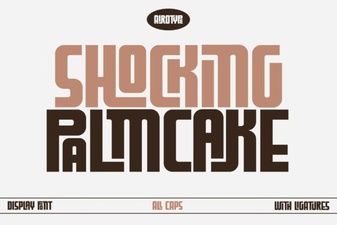 The Palm Cake Font: a Bold & Creative Typographic Experiment
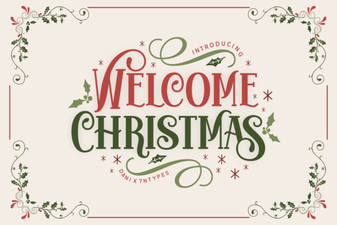 Festive Welcome Christmas Font Designs & Ideas
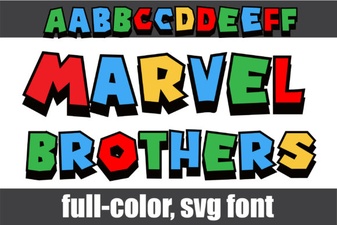 Marvel Brothers Font Design Projects
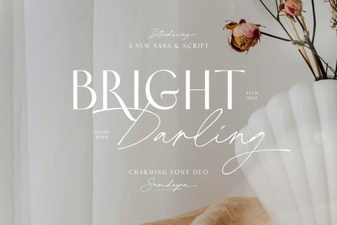 Bright Darling Duo Font for Dynamic Design Projects