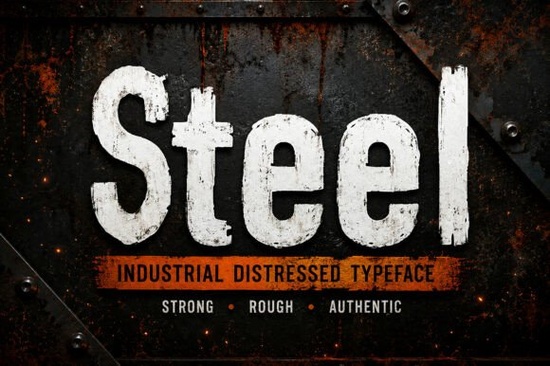
If you're looking for a bold, weathered typeface that feels like it’s been stamped into steel plate and left outside for decades, Steel Font fits the bill. It’s not just another distressed font it’s built from real industrial references: rusted signage, riveted machinery labels, and factory floor stencils. That authenticity shows in every uppercase “A”, lowercase “g”, and even the punctuation marks. Whether you’re designing a logo for a local welding shop, printing workwear tags, or laying out a vintage-style beer label, this display font brings grounded, tactile energy to your work.
What makes Steel Font different from other distressed fonts?
Most distressed fonts rely on filters or overlays to simulate wear but Steel Font was drawn with texture in mind from the start. The edges aren’t just roughed up; they’re intentionally uneven, slightly asymmetrical, and layered with subtle grain that holds up at both small sizes (like product tags) and large formats (think wall murals or truck decals). It includes full multilingual support so if you’re making bilingual packaging for a construction tool brand across North America and Latin America, you won’t hit a character wall. And because it comes in OTF, TTF, and WOFF, you can use it in design software, web projects, or even embroidery digitizing tools that accept vector outlines.
Where does it work best in real projects?
You’ll see the strongest results when the font’s personality matches the subject matter. For example:
- A construction company logo gains instant credibility with Steel Font no extra illustration needed.
- Workwear apparel designs (like pocket patches or chest prints) feel more authentic when the lettering looks like it belongs on a tool belt tag.
- Vintage posters for craft fairs or farmers’ markets get a grounded, handmade vibe not overly polished or digital.
- Packaging for small-batch goods (think hot sauce, coffee, or artisanal soap) stands out on shelves without shouting.
It’s also a quiet favorite among print-on-demand sellers who make rugged-themed merchandise especially those targeting outdoor, DIY, or blue-collar audiences. Unlike overly ornate script fonts or hyper-clean sans-serifs, Steel Font communicates strength and honesty without needing explanation.
How does it compare to other display fonts on Creative Fabrica?
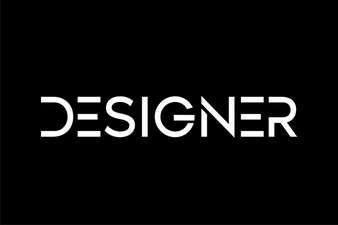
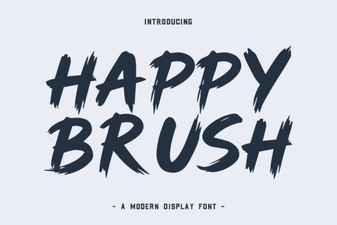
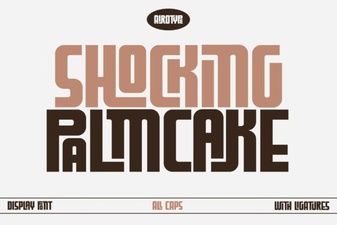
If you’ve used Happy Brush Font, you’ll notice how differently Steel Font behaves it trades brushstroke fluidity for mechanical weight. Or if you’ve tried Shocking Palm Cake Font, you’ll appreciate how Steel Font avoids playful exaggeration in favor of functional grit. Even compared to Welcome Christmas Font, which leans festive and rounded, Steel Font stays purpose-built for durability over decoration. And while Designer Font offers versatility, Steel Font excels where specificity matters most: industrial, mechanical, or heritage-inspired contexts.
Practical tips before you install or use it
Because of its texture-heavy design, avoid using Steel Font at very small sizes (<10pt) in body copy it’s a display font first. For best results:
- Pair it with a clean, neutral sans-serif (like Montserrat or Inter) for contrast in posters or websites.
- Use the OTF version if you need OpenType features like alternate characters or ligatures though the base set is already rich in variation.
- Test print samples on your intended material: kraft paper, metal tin labels, or cotton tees all affect how the distressing reads.
- Remember it supports multilingual characters including extended Latin sets so it’s safe for Spanish, French, Portuguese, and German project names or slogans.
For reference, you can preview the full character set and download options directly from the official page: Steel Font.
Before downloading, ask yourself: Does my project benefit from visible texture and physical presence or does it need smooth scalability? If the answer leans toward the former, Steel Font is likely a solid match. Try pairing it with a simple layout, minimal color palette (charcoal, rust orange, matte black), and strong photography of real tools, textures, or hands-on work. That combination tends to resonate most with customers who value craftsmanship over flash.
Quick checklist before purchase:
✅ You need a display font not body text.
✅ Your project has an industrial, vintage, or rugged theme.
✅ You’ll use it across print + digital (OTF/TTF/WWOF covers all bases).
✅ You want multilingual support without switching fonts.
✅ You prefer texture built-in not added later with effects.
 Designer Fonts for Creative Projects
 Happy Brush Font: Bring Playful Creativity to Your Projects
 The Palm Cake Font: a Bold & Creative Typographic Experiment
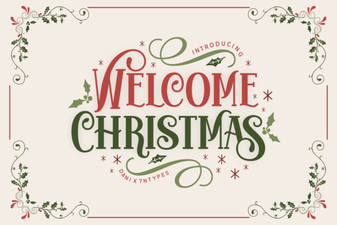 Festive Welcome Christmas Font Designs & Ideas
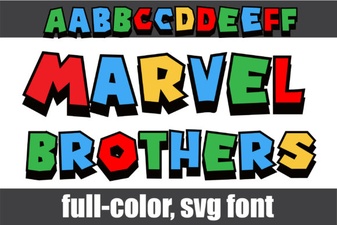 Marvel Brothers Font Design Projects
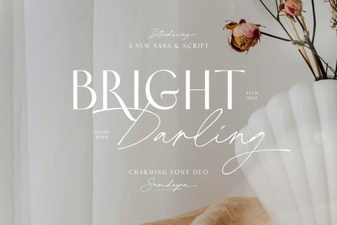 Bright Darling Duo Font for Dynamic Design Projects